
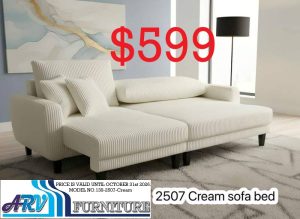
A well-arranged living room should feel comfortable, balanced, and easy to move through. The right furniture placement can make even a small space feel more open while creating a welcoming area for family and guests. Interior-design guidance commonly emphasizes choosing a focal point, protecting traffic paths, and grouping seating into a functional conversation area.
Here are 7 practical tips to arrange your living room furniture properly.
1. Choose a Focal Point
Start by identifying the main feature of your living room. This could be a TV, fireplace, large window, artwork, or a statement wall.
Position your main sofa and other seating so they naturally face or complement this focal point. Having one clear visual anchor helps the room feel organized rather than scattered.
2. Start With the Largest Furniture
Place your largest piece—usually the sofa—before arranging smaller furniture such as chairs, coffee tables, and side tables.
Consider the room’s shape and size before choosing the sofa’s position. Avoid selecting oversized furniture that makes it difficult to move around the room.
3. Keep Walkways Clear
Good traffic flow is essential. Leave enough space for people to comfortably walk between the entrance, seating area, kitchen, balcony, or other rooms.
As a general guideline, major walking paths can benefit from around 30–36 inches of clearance, depending on the room and furniture layout.
4. Create a Conversation Area
Arrange sofas and chairs so people can comfortably talk without having to turn awkwardly or shout across the room.
A sofa can face two accent chairs, or a sectional can create a natural L-shaped conversation area. Keep seating close enough to feel connected while still allowing comfortable movement.
5. Position the Coffee Table Correctly
The coffee table should be convenient to reach without making the seating area feel cramped.
A commonly recommended distance is approximately 12–18 inches between the sofa and coffee table.
Choose a coffee table that is proportional to your sofa and leaves enough space around it for movement.
6. Use a Rug to Define the Seating Area
An area rug can visually connect the sofa, chairs, and coffee table into one cohesive arrangement.
For a balanced look, choose a rug large enough to sit beneath at least the front portions of the main seating pieces. This helps prevent furniture from looking like separate, disconnected objects.
7. Balance the Furniture
Avoid putting all the heavy furniture on one side of the room. Balance a large sofa with chairs, tables, lamps, artwork, or other elements on the opposite side.
You also don’t have to push every piece against the wall. In some rooms, floating a sofa slightly away from the wall can create breathing room and help define a dedicated seating zone.
Common Living Room Furniture Mistakes to Avoid
Blocking doors or main walkways
Using furniture that is too large for the room
Placing the coffee table too far from the seating
Having no clear focal point
Pushing every piece against the walls
Using too many furniture pieces in a small space
Ignoring the natural flow between the living room and adjoining areas
Final Thoughts
Arranging living room furniture properly is about more than making the room look attractive. A successful layout should support comfort, movement, conversation, and everyday living. Start with the focal point, position the largest furniture first, maintain clear pathways, and then add tables, rugs, lighting, and accessories.
At Furniture Clearance CANADA, choosing furniture that matches your room’s size, layout, and lifestyle can help you create a living room that is both stylish and practical.