
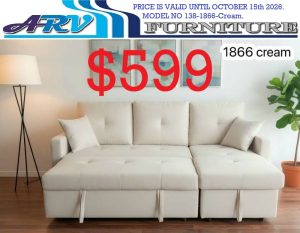
A sofa is one of the most important pieces of furniture in any living room. It provides a place to relax, entertain guests, watch TV, and spend time with family. However, choosing the perfect sofa is about more than finding a design you like. You also need to consider the size of your room, comfort, materials, durability, colour, and your lifestyle.
At Furniture Clearance CANADA, we believe the right sofa should combine style, comfort, quality, and practicality. Here are some useful tips to help you make the right choice.
1. Measure Your Living Room First
Before buying a sofa, measure the available space carefully. Consider the wall where the sofa will be placed, the distance from other furniture, and the walking areas.
A sofa that is too large can make a room feel crowded, while one that is too small may look out of proportion. Also remember to measure doorways, hallways, elevators, and stairways to make sure the sofa can be delivered into your home.
2. Choose the Right Sofa Size
The number of people who regularly use the living room should influence your choice.
2-seater sofa: Ideal for small apartments or compact living rooms.
3-seater sofa: A versatile option for many standard living rooms.
Sectional or L-shaped sofa: Suitable when you need more seating and have enough floor space.
Sofa and accent-chair combination: A flexible choice when you want to create separate seating areas.
Always consider the sofa’s overall width and depth—not just the number of seats.
3. Select a Sofa Style That Matches Your Room
Sofas come in many styles, including modern, contemporary, traditional, minimalist, and classic designs.
For a modern home, a clean-lined sofa with simple details can create a sophisticated appearance. Traditional rooms may benefit from sofas with rounded arms, decorative details, or deeper upholstery.
Choose a style that complements your existing furniture rather than making the sofa look disconnected from the rest of the room.
4. Think About Comfort
A beautiful sofa is not useful if it is uncomfortable.
When possible, sit on the sofa before purchasing it. Check the seat depth, seat height, back support, and firmness. Your ideal comfort level depends on how you use the sofa. A deeper sofa may be excellent for relaxing, while a shallower seat can be more suitable for upright sitting and conversations.
Current furniture guides commonly recommend paying close attention to seat height and depth because these dimensions significantly affect everyday comfort.
5. Check the Frame Quality
The frame is the foundation of a sofa. Ask what material is used and how the frame is constructed.
Solid wood and quality plywood are commonly used for durable sofa construction. Check that the frame feels sturdy and does not wobble, flex excessively, or make unusual noises when you sit down.
A strong frame can help your sofa maintain its structure through years of regular use.
6. Choose the Right Cushion Filling
Cushion filling affects both comfort and durability. High-density foam can provide good support and help cushions maintain their shape, while fibre-filled cushions can provide a softer, more relaxed feel.
If you prefer a balance between softness and support, look for cushions that combine foam with other cushioning materials.
Rather than choosing based only on how soft a sofa feels initially, consider how the cushions are expected to perform with regular use.
7. Select Practical Upholstery
The upholstery should suit your lifestyle.
Fabric sofas offer many colours, textures, and patterns and can work well for everyday family use.
Leather or leather-look upholstery can provide a sleek appearance and may be easier to wipe clean, depending on the material.
If you have children or pets, consider durable, easy-care upholstery and colours that are practical for your household. Your choice should balance appearance, comfort, cleaning requirements, and expected daily use.
8. Choose the Right Colour
The sofa is often one of the largest visual elements in a living room, so colour matters.
Neutral colours such as beige, grey, cream, and taupe can work with a wide range of décor. Darker shades can create a dramatic appearance, while lighter colours can help a room feel brighter and more open.
Before choosing a colour, consider your walls, flooring, curtains, rugs, and other furniture. A colour that complements the existing room will create a more cohesive look.
9. Consider Your Lifestyle
Think about how your household actually uses the living room.
If your family spends several hours every day on the sofa, prioritise comfort and durability. If you frequently entertain guests, consider a design that provides additional seating. For smaller homes, a compact sofa or space-efficient sectional can help maximise available floor space.
The perfect sofa is not necessarily the most expensive one—it is the one that fits your space and meets your everyday needs.
10. Don’t Forget Your Budget
Set a realistic budget before you start shopping. Compare sofas based on construction, materials, comfort, warranty, and expected durability rather than price alone.
A well-made sofa can be a long-term furniture investment, so consider overall value instead of simply choosing the cheapest option.
Sofa Buying Checklist
Before purchasing your new sofa, ask yourself:
Does it fit comfortably in my living room?
Will it fit through my doors and hallways?
Is the seating comfortable?
Is the frame sturdy?
Are the cushions supportive?
Is the upholstery suitable for my lifestyle?
Does the colour match my décor?
Does the style complement my other furniture?
Does it provide enough seating?
Does it fit within my budget?
Final Thoughts
Choosing the perfect sofa requires more than selecting a beautiful design. Start by measuring your space, then consider sofa size, comfort, frame construction, cushions, upholstery, colour, style, and budget.
At Furniture Clearance CANADA, choosing quality furniture means finding pieces that fit naturally into your home while providing comfort and lasting value. Take your time, compare your options, and choose a sofa that you’ll enjoy for years to come.