
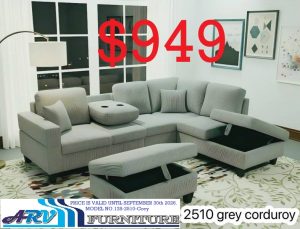
Furnishing your home doesn’t have to mean spending a fortune. With a little planning, smart comparison shopping, and a focus on value, you can create a comfortable and stylish home while staying within your budget. Canadian furniture-buying guides consistently recommend prioritizing essential pieces, measuring carefully, comparing prices, and shopping strategically for sales.
1. Set a Realistic Furniture Budget
Before you start shopping, decide how much you can comfortably spend. Divide your budget by room and prioritize essential furniture first, such as a bed, sofa, dining table, and storage. Decorative pieces can be added later.
2. Measure Your Space Before Buying
Always measure your room, doorways, hallways, stairways, and elevator access before ordering furniture. A great deal isn’t a bargain if the sofa won’t fit through your door.
Keep the furniture dimensions with you while shopping so you can compare pieces accurately.
3. Prioritize Quality Over the Lowest Price
The cheapest furniture isn’t always the best value. Look at the frame, joints, upholstery, hardware, and overall construction. Spending slightly more on frequently used pieces can provide better long-term value.
For example, consider investing more in a sofa or bed while saving on occasional-use accent tables or decorative furniture.
4. Compare Prices Before You Buy
Don’t purchase the first item you like. Check different retailers, online stores, promotions, and floor models. Comparing prices can help you find better value, especially for larger purchases.
Also check what is included in the advertised price—delivery, assembly, taxes, warranties, and other fees can affect the final cost.
5. Shop During Furniture Sales
Timing can make a significant difference. Furniture retailers often offer discounts around major holidays, seasonal clearance periods, and when older inventory is being replaced.
If you don’t need an item immediately, waiting for a suitable promotion can help stretch your budget.
6. Consider Floor Models and Clearance Furniture
Ask about floor models, clearance pieces, overstock, and warehouse sales. These products may offer substantial savings while still providing the style and functionality you want.
Inspect clearance furniture carefully and confirm the warranty and return policy before purchasing.
7. Mix New and Pre-Owned Furniture
Buying everything new isn’t always necessary. Solid-wood tables, dressers, shelving units, and other hard furniture can sometimes be excellent second-hand purchases.
For used upholstered furniture, inspect seams, cushions, odours, stains, and signs of pests carefully before bringing it home.
8. Choose Multi-Functional Furniture
Make your money work harder with furniture that serves more than one purpose. Consider:
Storage beds
Sofa beds
Ottomans with storage
Extendable dining tables
Nesting tables
Storage benches
These pieces can be particularly useful in condos, apartments, and smaller Canadian homes.
9. Don’t Forget Delivery and Assembly Costs
A furniture item’s sticker price isn’t necessarily the total cost. Before purchasing, ask about delivery charges, assembly fees, installation, and return costs.
A slightly more expensive piece with affordable or included delivery may ultimately cost less than a cheaper item with expensive delivery.
10. Buy Furniture in Stages
You don’t need to furnish your entire home at once. Start with the furniture you need every day, then gradually add secondary and decorative pieces.
This approach gives you time to understand how you actually use each room and reduces impulse purchases.
11. Choose Timeless Designs
If you’re working with a limited budget, choose furniture styles that won’t quickly look outdated. Neutral colours, simple shapes, and versatile designs can remain attractive even when your décor changes.
You can refresh the room later with affordable cushions, throws, rugs, artwork, or accessories.
12. Think About Cost Per Use
A low-priced item that needs to be replaced quickly may cost more over time than a durable piece that lasts for years. Consider quality, expected lifespan, comfort, and frequency of use—not just the initial price.
Final Thoughts
Budget-friendly furniture shopping is about finding the best value, not simply the lowest price. Set a budget, measure carefully, compare options, watch for sales, consider multi-purpose pieces, and invest in quality where it matters most.
With these strategies, Furniture Clearance Canada can help you create a beautiful and functional home without unnecessarily stretching your budget.