
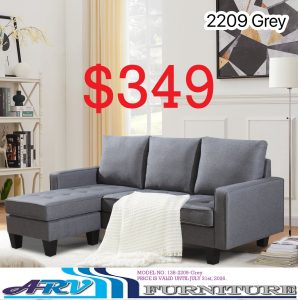
Investing in high-quality furniture is one of the best ways to create a comfortable, stylish, and long-lasting home. While attractive designs may catch your eye, the real value lies in the craftsmanship, materials, and durability. Here are the key factors to consider when choosing quality furniture.
1. Check the Frame Construction
The frame is the foundation of any furniture piece. Look for:
Solid hardwood such as oak, maple, or walnut for maximum durability.
High-quality engineered wood for a more affordable but sturdy option.
Avoid furniture made primarily from particleboard or thin MDF for heavy-use items.
2. Inspect the Joinery
Well-built furniture uses strong construction methods, including:
Mortise-and-tenon joints
Dovetail joints
Dowels and corner blocks
Avoid pieces that rely only on nails, staples, or glue for structural support.
3. Evaluate the Upholstery
For sofas and chairs:
Choose tightly woven, durable fabrics.
Look for stain-resistant or performance fabrics if you have children or pets.
If selecting leather, ensure it is genuine, high-quality leather for better longevity.
4. Test Comfort and Support
Always sit on chairs and sofas before purchasing, if possible.
Cushions should feel supportive and return to their original shape.
The furniture should not wobble, squeak, or creak.
Check that the backrest and armrests feel sturdy.
5. Examine the Finish
Quality furniture has:
Smooth, even finishes
Consistent color and stain
No rough edges, cracks, or visible glue marks
Straight, neat stitching on upholstered pieces
6. Look at the Hardware
For cabinets, dressers, and drawers:
Drawers should open and close smoothly.
Hinges and drawer slides should be made from durable metal.
Handles and knobs should be securely attached.
7. Consider Functionality
Choose furniture that fits your lifestyle:
Storage beds for extra organization
Extendable dining tables for entertaining
Modular sofas for flexible seating
Multi-functional furniture for smaller spaces.
8. Ask About the Warranty
A quality manufacturer often provides a warranty, demonstrating confidence in the product’s durability. Review the warranty coverage before making your purchase.
9. Compare Value, Not Just Price
The least expensive option isn’t always the best value. A well-made piece may cost more initially but can last for many years, reducing the need for replacement.
Final Thoughts
Choosing high-quality furniture means looking beyond appearance. Focus on strong construction, premium materials, comfort, craftsmanship, and reliable warranties. By investing in well-built furniture, you’ll enjoy greater comfort, durability, and value for years to come.